What I Learned at the HERALD Women’s Executive Summit
Four ideas from the HERALD WE Summit’s “Own Your Power” theme that I’m taking into my business and life.
There’s something energizing about being in a room full of women who are building things. On Tuesday, August 4, I joined women from across Long Island at The Crescent Beach Club in Bayville for the fourth annual HERALD Women’s Executive (WE) Summit. This was my third time attending. The day brought together founders, entrepreneurs, business owners, executives, and women at all stages of their careers for a mix of keynotes, power sessions, candid conversations, networking, and an expo featuring local businesses and resources.
This year’s theme was “Own Your Power.” The speakers came from a wide range of industries and backgrounds — finance, healthcare, aesthetics, and more — but many of the challenges they addressed were universal: How do we make better use of our time? How do we recognize our strengths? How do we show up more confidently? And how do we create experiences that people remember? I took plenty of notes throughout the day, but rather than give you a rundown of every session, I wanted to share four ideas that genuinely stuck with me —and that I’ve already found myself thinking about since I left Bayville.
Stop Saying “I’ll Try”
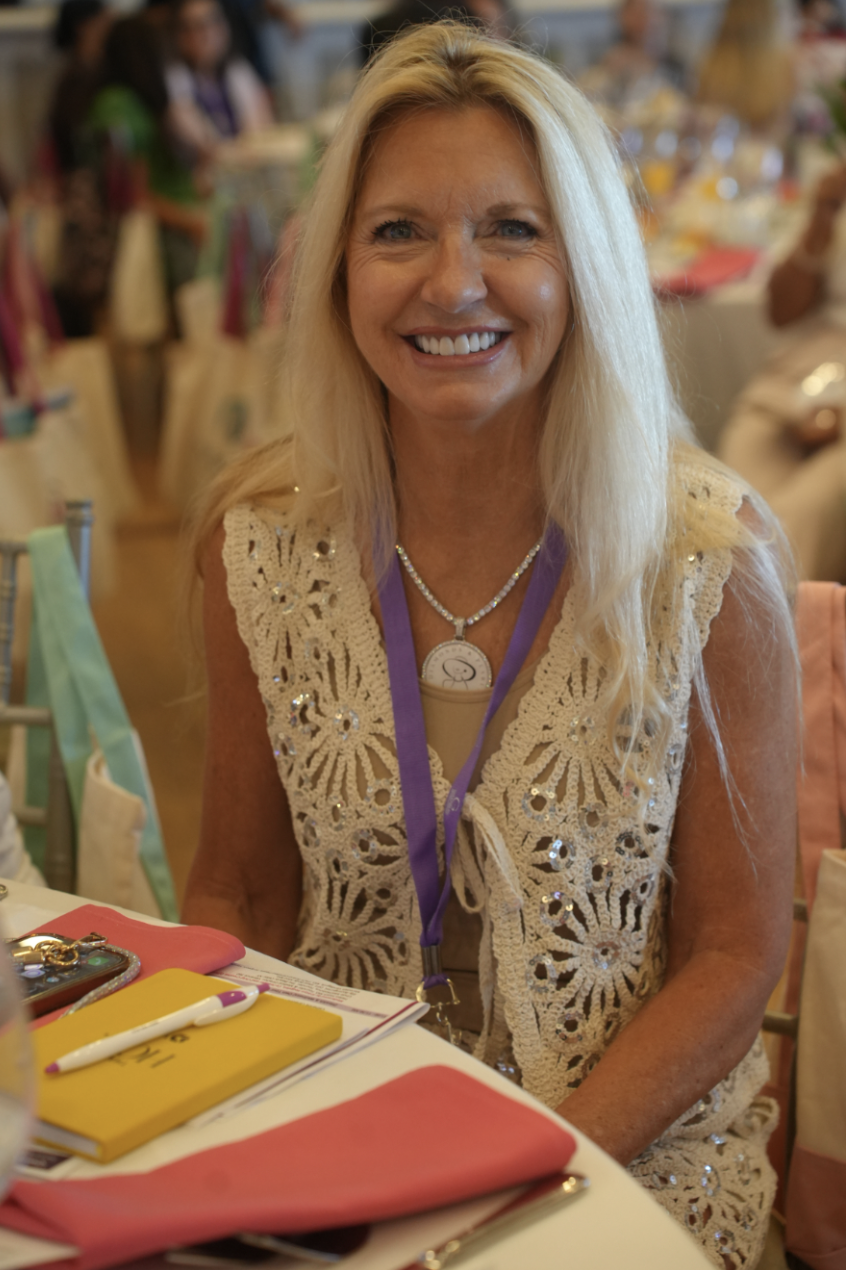
Mae Caime, co-founder of Diamonds & Pearls Alliance, kicked off one of the day’s most practical lessons by challenging us to eliminate three words from our vocabulary: try, should, and sorry. I’m guilty of using all three, but try really made me stop and think. It sounds harmless, but “try” can leave the door open for not following through. Caime’s suggestion was to replace it with more definitive language: “I will” or “I am.” It’s a small change, but saying “I will” moves something from a possibility to a decision.
The advice resonated with me enough that I used it that very night. My teenage daughter said she would try to do something differently in the coming school year, and I stopped her and asked her to say it again: “I will.” It made me think about how often we soften our own intentions with words that give us an easy out. Sometimes owning your power starts with simply being more deliberate about the language you use when talking about what you’re going to do.
Service Is What You Do. Hospitality Is How You Make People Feel.
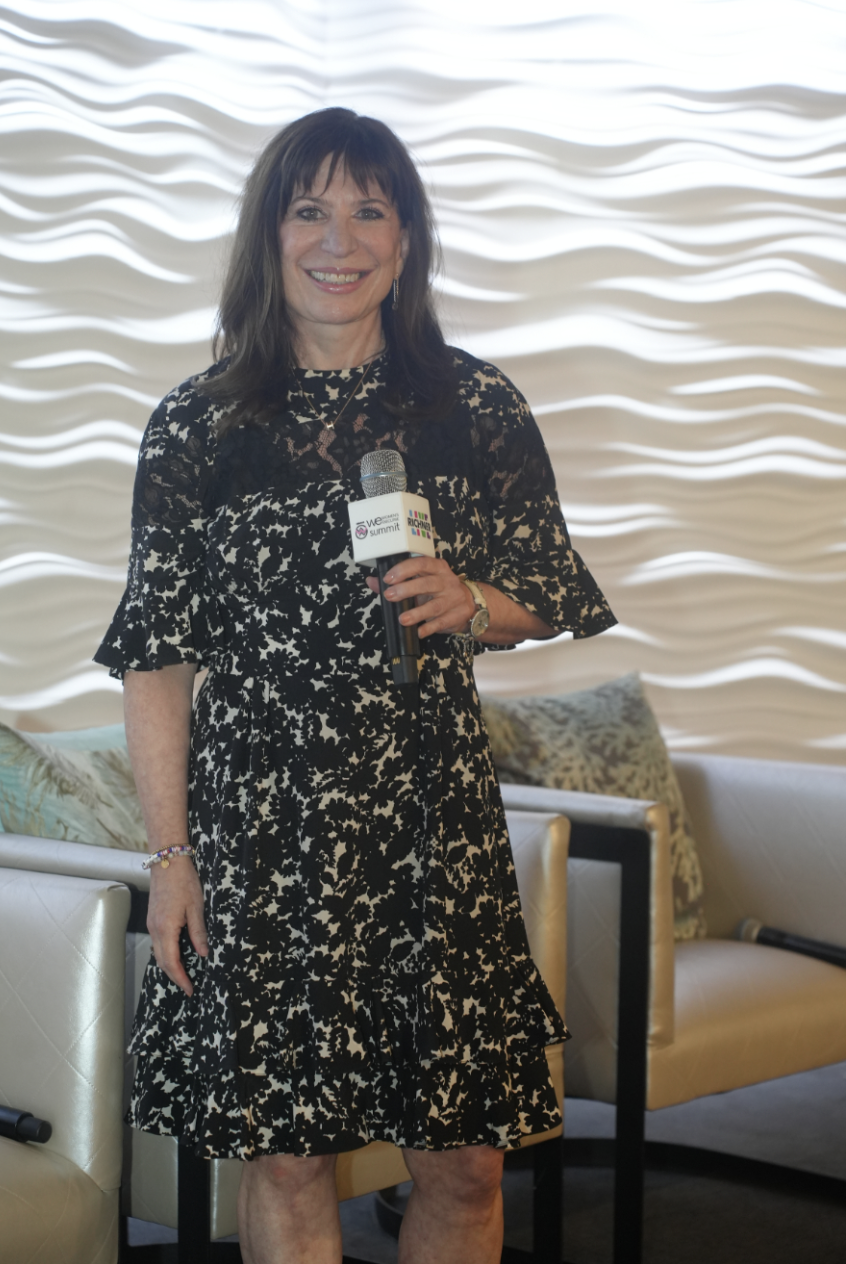
During her “Unreasonable Hospitality” power session, Carla Illiescu, founder of Potential, shared a quote from Will Guidara that immediately resonated: “Service is what you do. Hospitality is how you make people feel.” She also shared one of the stories from Guidara’s book, Unreasonable Hospitality. When diners at Eleven Madison Park mentioned that they were craving New York street hot dogs, the restaurant team sent someone out to get them from a street vendor and surprised the guests with them at the end of their meal. The point wasn’t really the hot dogs. It was the thought behind them.
That idea extends well beyond restaurants and hotels. You don’t have to work in hospitality to practice hospitality. Every business provides a service, but there’s a difference between simply delivering that service and creating an experience people remember. For beauty, wellness, and other service-based businesses in particular, that distinction can be huge. Remembering a client’s preference, anticipating a need, or simply making someone feel seen and cared for can be what turns a one-time customer into a loyal client. It’s a good reminder that what people remember about your business isn’t always the service itself—it’s how you made them feel while they were experiencing it.
Your Calendar Tells the Real Story
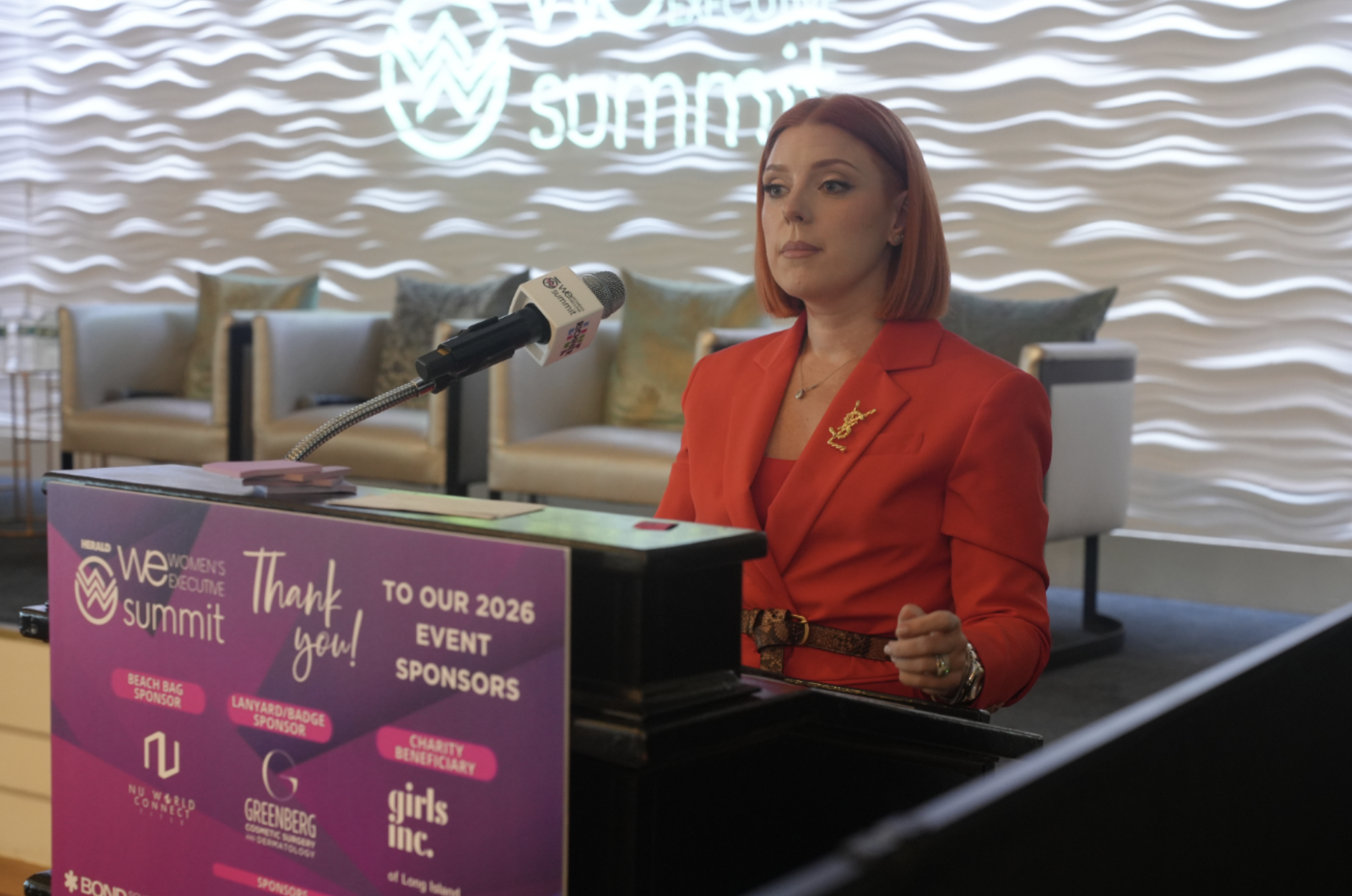
Natasha Zaytseva, founder and CEO of CEO Lab, tackled what she called “The Productivity Paradox,” and her message was simple but challenging: You can say what you do—or what you plan to do—but your calendar reveals what you’re actually doing. That one hit home for me because it’s easy to say something is a priority. It’s much harder to look at your calendar and see whether your time actually reflects that.
Zaytseva also challenged the idea that being busy is synonymous with being successful. The most successful people aren’t necessarily the ones who fill every available minute. They make room to think, make decisions, delegate, and eliminate things that don’t need their attention. As I plan my own weeks, I’m trying to ask a different question: What actually deserves my time? Not just, “What needs to get done?” There will always be things that need to get done. The harder—and probably more important—question is whether the things taking up space on my calendar are actually moving me toward what matters.
Own What You’re Already Good At
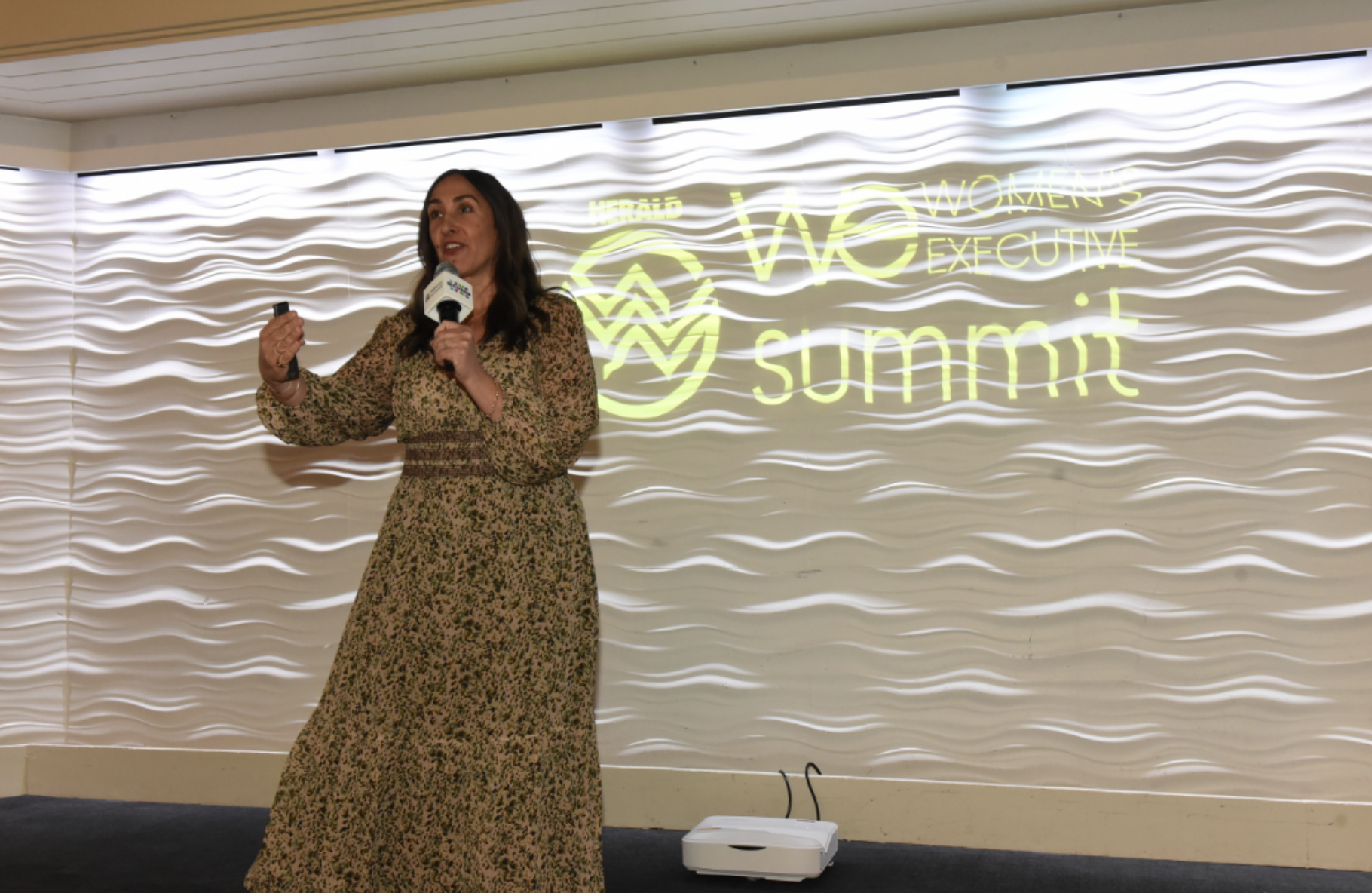
Keynote speaker Carrie Skowronski, CEO of Leadology, put the theme of the summit into action by asking people in the audience a deceptively simple question: What do other people say you’re good at? If she had asked me, my first answer would have been writing. More recently, I would also say connecting people. But her point went deeper than simply identifying our strengths. We tend to overlook the things that come naturally to us. Because something feels easy, we may not recognize it as a particular skill—or realize how valuable it is.
Skowronski’s message was that owning your power means recognizing and leaning into those strengths rather than constantly looking for the next thing you need to fix, learn, or improve. That’s a particularly useful reminder for anyone building a business. We spend so much time thinking about what we should be doing better that we can overlook the things we already do exceptionally well. Sometimes owning your power isn’t about becoming someone different. It’s about recognizing the value in who you already are—and using it more intentionally.
That may have been the biggest takeaway I took from the HERALD WE Summit. Owning your power doesn’t necessarily require a dramatic reinvention. Sometimes it means changing a few words, protecting your time, being more intentional about how you serve people, or simply giving yourself permission to acknowledge what you’re already good at. And those small shifts can have a pretty big impact.
For more professional insights, founder stories, and resources you can use to grow your beauty, wellness, and lifestyle business, follow Pretty Local Pro on Instagram.