MOXI Laser Resurfacing
MOXI is a non-ablative fractional laser designed to improve skin tone and texture, address early signs of sun damage, and stimulate collagen production with relatively little downtime.
MOXI at a Glance
What it is: Non-ablative fractional laser treatment
What it treats: Uneven skin tone, sun damage, rough texture, fine lines and the appearance of enlarged pores
How it works: Delivers fractional laser energy into the skin to stimulate renewal and collagen production without removing the outer layers of skin
Treatment time: Typically 10–30 minutes, depending on the treatment area
Downtime: Minimal; redness, warmth, darkened spots and a sandpaper-like texture may occur as the skin heals
When you'll see results: Skin texture and tone improve as the skin heals over the following days and weeks, with results building over a series
Recommended treatments: A series may be recommended, depending on your skin concerns and goals
How long results last: Varies depending on the treatment plan, skin concerns and ongoing sun protection; maintenance treatments may be recommended
FDA approved/cleared: MOXI is an FDA-cleared laser device for aesthetic skin treatments
Cost: $800 per treatment at Permanent Touch Cosmetics at the time of my visit
Where I've had it: Permanent Touch Cosmetics, Woodbury, NY
What Is MOXI?
MOXI is a non-ablative fractional laser developed by Sciton. It's designed to improve the appearance of early signs of aging and sun damage, including uneven pigmentation, fine lines and rough skin texture.
Unlike ablative lasers, which remove layers of skin, MOXI delivers laser energy into microscopic treatment zones while leaving the surrounding tissue intact. This stimulates the skin's natural renewal process and collagen production without the more extensive recovery associated with aggressive resurfacing treatments.
MOXI is often called a lunchtime laser because treatments are relatively quick and typically involve minimal downtime. It can be used as a preventative treatment for early signs of aging or to address existing concerns.
How Does MOXI Work?
MOXI uses fractional laser energy to create controlled micro-injuries in the skin, triggering a healing response that encourages skin renewal and collagen production. As the skin heals, its tone and texture can improve.
Because MOXI is non-ablative, it doesn't remove the entire outer layer of skin. Instead, it treats a fraction of the skin at a time, leaving surrounding tissue intact to support recovery.
What Does MOXI Treat?
MOXI is used to improve the appearance of sun damage, uneven pigmentation, rough texture, fine lines and enlarged pores. It's also used as a preventative treatment for people who want to maintain smoother, more even-looking skin as they age.
Although it can improve the appearance of discoloration, MOXI isn't the same as broadband light (BBL), which targets pigment and redness using pulses of light. The two treatments may be combined to address different concerns, but they work differently.
What to Expect During a MOXI Treatment
Treatment begins with cleansing the skin. A topical numbing cream may be applied beforehand to improve comfort. Your provider then passes the laser handpiece over the treatment area.
When I had MOXI at Permanent Touch Cosmetics in Woodbury, my face was numbed before treatment. As the laser moved across my skin, I felt a prickling sensation that was very tolerable.
Treatment time depends on the area being treated and the settings used.
What to Expect After MOXI
Immediately after treatment, skin may look red and feel warm, similar to a mild sunburn. In the days that follow, small brown spots can become darker, and the skin may feel rough or like sandpaper. This texture is associated with microscopic epidermal necrotic debris, commonly called MENDS, which forms as part of the skin's healing process.
The darkened spots and rough texture typically resolve as the skin naturally sheds over several days. Follow your provider's aftercare instructions, use gentle skincare, and apply broad-spectrum sunscreen daily. Your provider can also advise you when it's appropriate to resume retinoids, exfoliating acids and other potentially irritating products.
When Will You See MOXI Results?
Results develop as the skin heals and renews itself. You may notice improvements in brightness and texture within the first week or two, while changes in collagen-related concerns can take longer to become apparent.
A series of treatments may be recommended for more noticeable improvement in sun damage, uneven tone and texture. Results vary depending on your skin, the treatment settings and your individual goals.
How Many MOXI Treatments Do You Need?
The number of treatments depends on your skin concerns and desired results. Your provider may recommend a corrective series of three or four rather than a single session, particularly if you're addressing more pronounced sun damage, uneven pigmentation or texture concerns. Followed by maintenance treatments.
Your provider can determine the appropriate spacing and number of treatments based on your skin and how it responds.
How Long Do MOXI Results Last?
Results vary depending on your skin, the concerns being treated and your skincare and sun-protection habits. Because the treatment addresses signs of skin aging and sun damage rather than stopping those processes, ongoing sun protection and a consistent skincare routine remain important. Your provider can advise whether maintenance treatments make sense for you.
How Much Does MOXI Cost?
Cost at Permanent Touch Cosmetics: $800 per treatment at the time of my visit.
Pricing may vary depending on the provider, treatment area and whether you purchase a package or combine MOXI with another procedure.
My Experience With MOXI
I had MOXI at Permanent Touch Cosmetics in Woodbury as an add-on to BBL HEROic. My main concerns were lingering sun spots, enlarged pores in my T-zone and uneven skin texture.
Before the MOXI treatment, my skin was numbed. As the laser moved across my face, I felt a prickling sensation that was very tolerable.
My skin was red and warm immediately after the combined treatments. By day two, my brown spots had darkened, and my skin felt like sandpaper. These tiny, darkened spots and rough texture are characteristic of MENDS (microscopic epidermal necrotic debris), a normal part of the healing process after MOXI. Over the following days, the rough spots are expected to slough off as the skin renews itself.
One week later, my skin looked clearer and brighter, and my pores appeared tighter. Some of the superficial freckles on my cheeks were gone, while other spots had lightened. Because I had BBL at the same appointment, I can't attribute those changes to MOXI alone.
Where I Had MOXI
I had MOXI at Permanent Touch Cosmetics in Woodbury, NY.
Pretty Local Bottom Line
MOXI is worth considering if you want to address early signs of sun damage, uneven skin tone and texture without the more extensive downtime associated with aggressive laser resurfacing. Expect some redness and a temporary rough texture while your skin heals, rather than perfectly smooth skin immediately after treatment.
If you're considering MOXI, consult an experienced laser provider who can assess your skin, explain what results are realistic and determine whether a single treatment or a series makes the most sense for you.
My experience reflects my individual results and should not be taken as a guarantee of results. Treatment outcomes vary. Always consult with a qualified medical professional to determine whether a treatment is appropriate for you.

Before my very first MOXI/BBL treatment in 2024
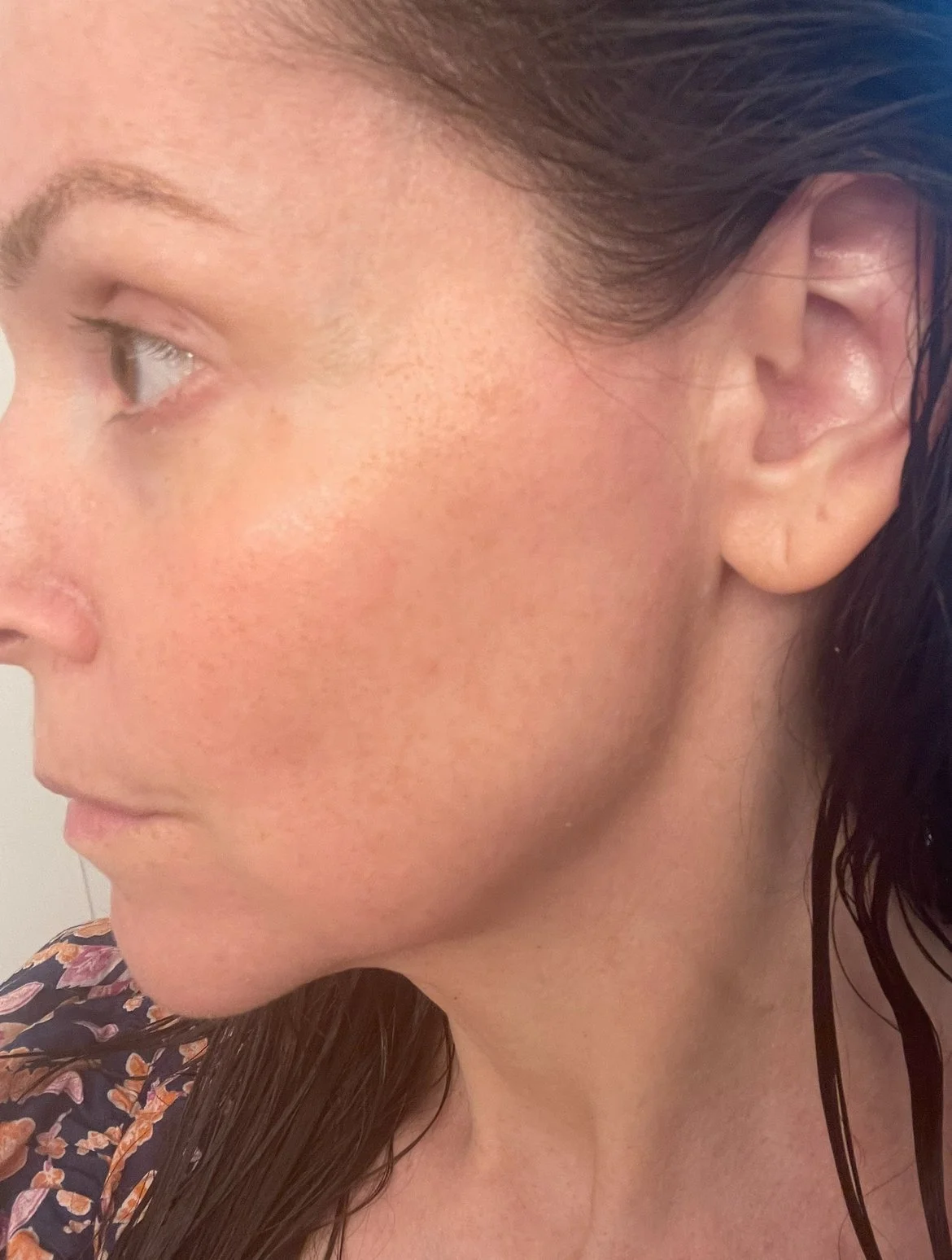
One month later