Fitness Trends to Watch for in 2026
Long Island trainers weigh in on how workouts are evolving—from hybrid training to longevity-focused movement and a shift away from burnout culture.
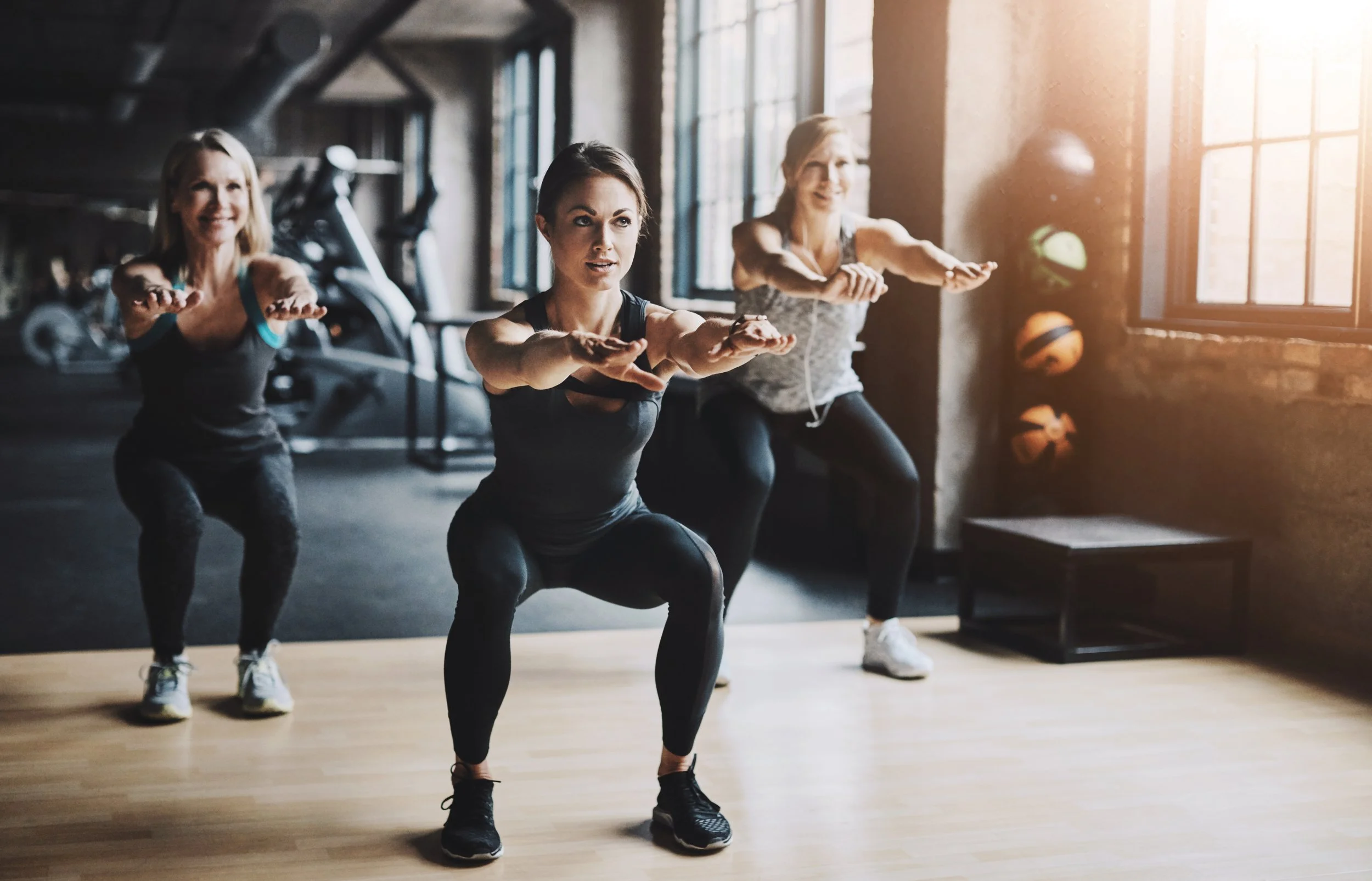
PeopleImages/Shutterstock
If fitness trends for the past few years have felt increasingly extreme—harder workouts, tighter schedules, louder messaging—2026 may bring a welcome reset. According to Long Island fitness professionals, the next phase of fitness is shaping up to be smarter, more flexible, and far more focused on longevity than aesthetics.
Rather than chasing punishment-style workouts or one-size-fits-all programs, trainers say clients are asking for approaches that fit real life—and support their health long-term.
Less Extreme, More Intelligent Training
Elizabeth Hashagen, fitness instructor and founder of Even Better You, believes the shift is already underway. “Fitness trends in 2026 are going to be a lot less extreme,” she says. “Training is becoming more intelligent, deeply personalized, and really rooted in longevity. The most successful professionals and brands will be the ones who educate and simplify.”
That emphasis on education over intensity reflects a broader change in how people define success in fitness. Instead of quick transformations or burnout cycles, the goal is sustainability—programs that people can actually stick with as their lives, schedules, and bodies evolve.
The End of Solo Burnout—and the Rise of Social Wellness
Another major change trainers are seeing: people are done going it alone. Hashagen points to a growing demand for connection and accountability, which is driving renewed interest in group-based fitness in many forms.
“We’re going to see a big return to group energy,” she says, whether that looks like hybrid fitness models, community walking clubs, shared challenges, fitness events, or recreational sports like pickleball. “People want accountability and connection. Fitness in 2026 is really becoming social wellness.”
Rather than traditional group classes alone, this version of social fitness feels broader and more inclusive—movement that doubles as community-building, without the pressure to perform.
Hybrid Training Becomes the Norm
Flexibility is also reshaping how people train. Lori LaMagna, a women’s strength and weight loss coach and founder of The STRONG Method, says hybrid training is becoming one of the most common—and practical—models she sees.
“Your life isn’t one-size-fits-all. Your fitness shouldn’t be either—hybrid training meets you where you are,” she explains.
In practice, hybrid training blends in-person coaching with app-based programming, giving clients access to structure even when they can’t make it to the gym. “For example, I might see someone in person for a leg session on Monday, and then they’ll do upper body on their own through a program I’ve created,” she says.
The appeal is convenience without sacrificing accountability—especially for people juggling travel, work, or family responsibilities.
Longevity Training Goes Mainstream
Perhaps the biggest shift shaping fitness in 2026 is the growing focus on longevity. Trainers say workouts are increasingly being framed around adding healthy years to life, not just changing how the body looks.
Programs emphasizing bone density, balance, VO₂ max, and grip strength are gaining traction, particularly among women over 40. Hashagen expects to see more workouts branded around concepts like “lifespan fitness,” “longevity labs,” or even “strong at 80.”
Strength training, in particular, is being reframed. “We need to lift heavy, eat protein, and focus on our future selves,” she says—an approach rooted in preserving independence, mobility, and resilience as we age.
Midlife Fitness Gets a Rebrand
Alongside longevity training, midlife fitness is also evolving. Menopause and hormone-aware training, once considered niche, are quickly becoming standard considerations rather than specialty offerings.
As awareness grows, trainers say clients expect programs that reflect hormonal changes, recovery needs, and shifting energy levels—without stigma or oversimplification.
Joy Becomes the Ultimate Metric
Amid all the strategy and science, trainers say one factor may matter more than any other in 2026: enjoyment.
“People are chasing joy,” Hashagen says. “If it brings joy, they’re going to repeat it. If you don’t like it, you won’t do it.”
Whether that means competition, group workouts, or simply finding a format that feels good, the takeaway is simple: consistency follows enjoyment. In 2026, fitness isn’t about forcing yourself into a trend; it’s about finding what works for you and sticking with it.